
Admin
View the Himalayas from Leh Palace – Witness Royalty Amidst the Clouds
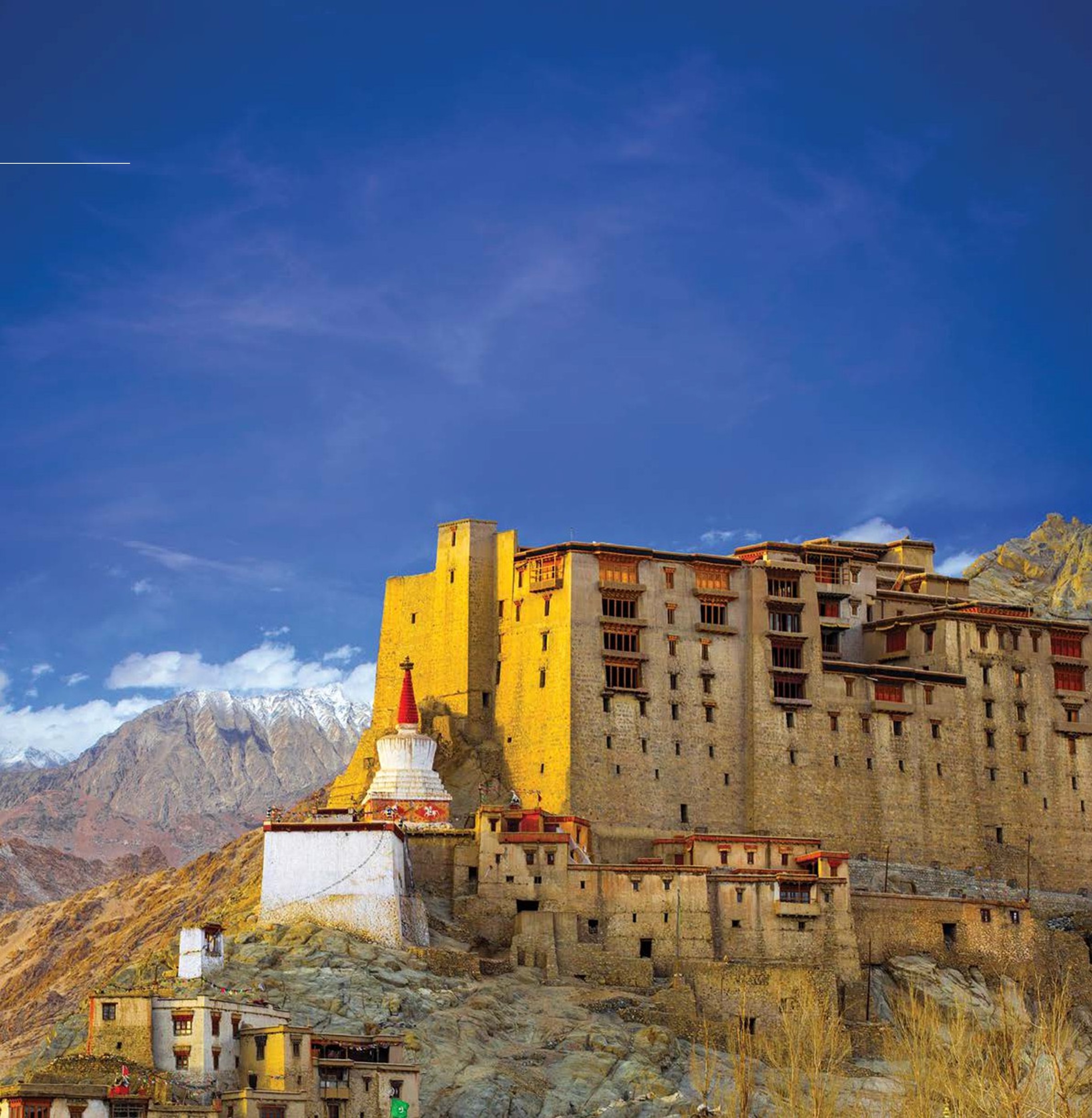
Standing tall over the Leh town, the Leh Palace is a weathered yet magnificent reminder of Ladakh’s royal heritage. Built in the 17th century by King Sengge Namgyal, this nine-storey structure was once the majestic home of the Namgyal rulers until the mid-19th century.
Crafted using a harmonious blend of stone, wood, mud, and sand, the palace is admired for its carved entrances, spacious rooms, and wide corridors that whisper tales of royal grandeur. Its architecture draws comparisons to the Potala Palace of Lhasa, Tibet — reflecting the rich cultural exchange across the Himalayas.
While time and weather have weathered parts of the structure, many sections still stand strong, and the panoramic views of the snow-capped Himalayas, Leh town, and the surrounding Stok Kangri range from its terraces are nothing short of awe-inspiring. Visitors often climb to the upper levels just to catch the golden glow of sunrise or sunset over the mountains.
Within the palace, you’ll also find displays of royal relics, murals, and traditional thangkas, giving a glimpse into Ladakhi life during its regal era.
Combine your visit to Leh Palace with nearby landmarks like the serene Pangong Tso Lake, the iconic Thiksey Monastery, and the adventurous Khardung-la Pass to complete your Himalayan journey.
How to Reach Leh Palace:
-
By Air:
-
Leh Airport (Kushok Bakula Rimpochee Airport) – just 4 km from the city center
-
-
By Rail:
-
Nearest stations: Pathankot, Chandigarh, Kalka (followed by a long road journey)
-
-
By Road:
-
Accessible via Leh City, with buses, taxis, and bikes available for local travel
-
Best Time to Visit:
May to June and September to October – Clear skies, pleasant weather, and spectacular mountain views.