
Admin
Listen to Stories of an Ancient Tribe at Dimapur
Nestled in the heart of Nagaland, Dimapur is more than just an urban center — it is a city steeped in tribal legends, archaeological wonders, and historical enigma. Before the 13th century, Dimapur was the thriving capital of the Kachari tribe, whose rich legacy continues to echo through its iconic ruins.
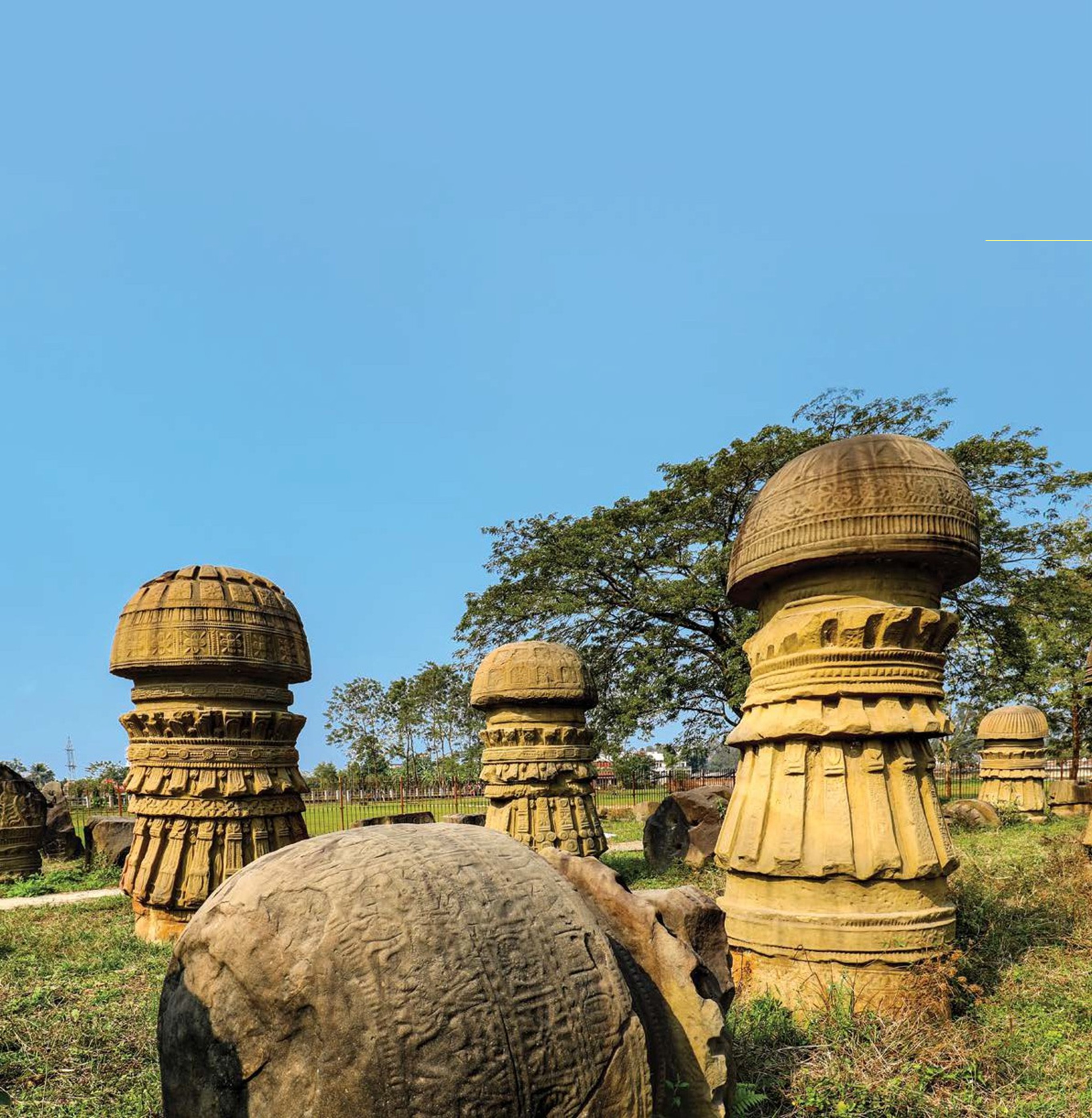
The most captivating relics are the mushroom-shaped stone pillars — some still standing tall, others partially eroded by time. These megalithic structures, believed to date back to the 10th–12th century, remain shrouded in mystery. Scholars suggest they were used for religious ceremonies, rituals, or perhaps a strategic game akin to chess played by the Kachari royalty. Their exact purpose is unknown, but their presence creates a unique atmosphere that connects visitors directly with an ancient, forgotten world.
Walking among the ruins is like leafing through the pages of a tribal saga, one that tells stories of a people who thrived long before recorded history. Dimapur today balances this profound historical significance with modernity, serving as a gateway to the rest of Nagaland.
Nearby Attractions
-
Peren – A scenic district known for its tribal culture and natural beauty.
-
Liphanyan Governor’s Camp – A riverside spot perfect for picnics and panoramic views.
-
Intanki Wildlife Sanctuary – Home to elephants, leopards, and rich birdlife, perfect for eco-tourism.
Connectivity
Dimapur is well connected and serves as a major entry point into Nagaland:
-
By Air: Dimapur Airport connects to major Indian cities.
-
By Rail: Dimapur Railway Station is a key station in Northeast India.
-
By Road: Accessible via national highways from Guwahati, Imphal, Kaziranga, Kohima, and Shillong.
Best Time to Visit
The most pleasant months to explore Dimapur and its surroundings are March to May and October to February, when the weather supports sightseeing and outdoor excursions.
Dimapur is not just a destination; it’s a time capsule. For history lovers, archaeologists, or cultural enthusiasts, it offers a window into the world of the Kachari civilization, waiting to be rediscovered.